The energy transition is entering a new phase in which flexibility is becoming a key resource. One of the most promising sources of this flexibility is already in use today: electric vehicles. Vehicle-to-Grid transforms fleets of electric vehicles from mere electricity consumers into active participants in the energy market. ESFORIN is among the pioneers demonstrating how this flexibility can be intelligently harnessed, monetized, and integrated into the dynamics of short-term electricity markets.
From a Vision for the Future to Market Reality
For a long time, Vehicle-to-Grid was considered a vision of the future. Today, it is increasingly becoming a market reality. When aggregated and intelligently controlled, electric vehicles can act as mobile energy storage units. They draw electricity when it is available at low cost and feed it back into the grid when prices and demand rise. The key factor here is not merely the technological capability for bidirectional charging, but above all the integration of this flexibility into real-world market mechanisms, which are characterized by volatility, short-term price signals, and constantly changing system requirements.
Complexity as an Opportunity
Compared to traditional battery storage systems, Vehicle-to-Grid involves a significantly higher level of complexity. Vehicle availability fluctuates depending on usage; technical factors such as charging cycles and grid connection points must be taken into account; and additional uncertainties arise from user behavior. It is precisely this combination that makes Vehicle-to-Grid one of the most challenging forms of flexibility in the energy market. At the same time, there is considerable potential for value creation if we succeed in managing this complexity through algorithms and harnessing it economically.
The Key: Cross-Market Optimization
The full economic benefit of Vehicle-to-Grid is realized through algorithm-based cross-market optimization. Instead of limiting flexibility to a single market, it is continuously traded across various markets—from intraday and day-ahead to balancing energy—and positioned where it generates the greatest added value in each case. This allows for flexible responses to price signals, the exploitation of market opportunities, and the maximization of revenue. As a result, vehicle fleets behave like independent battery storage systems, but their scalability and availability give them additional significance within the energy system. To date, ESFORIN Vehicle-to-Grid has been successfully optimizing operations in the intraday market.
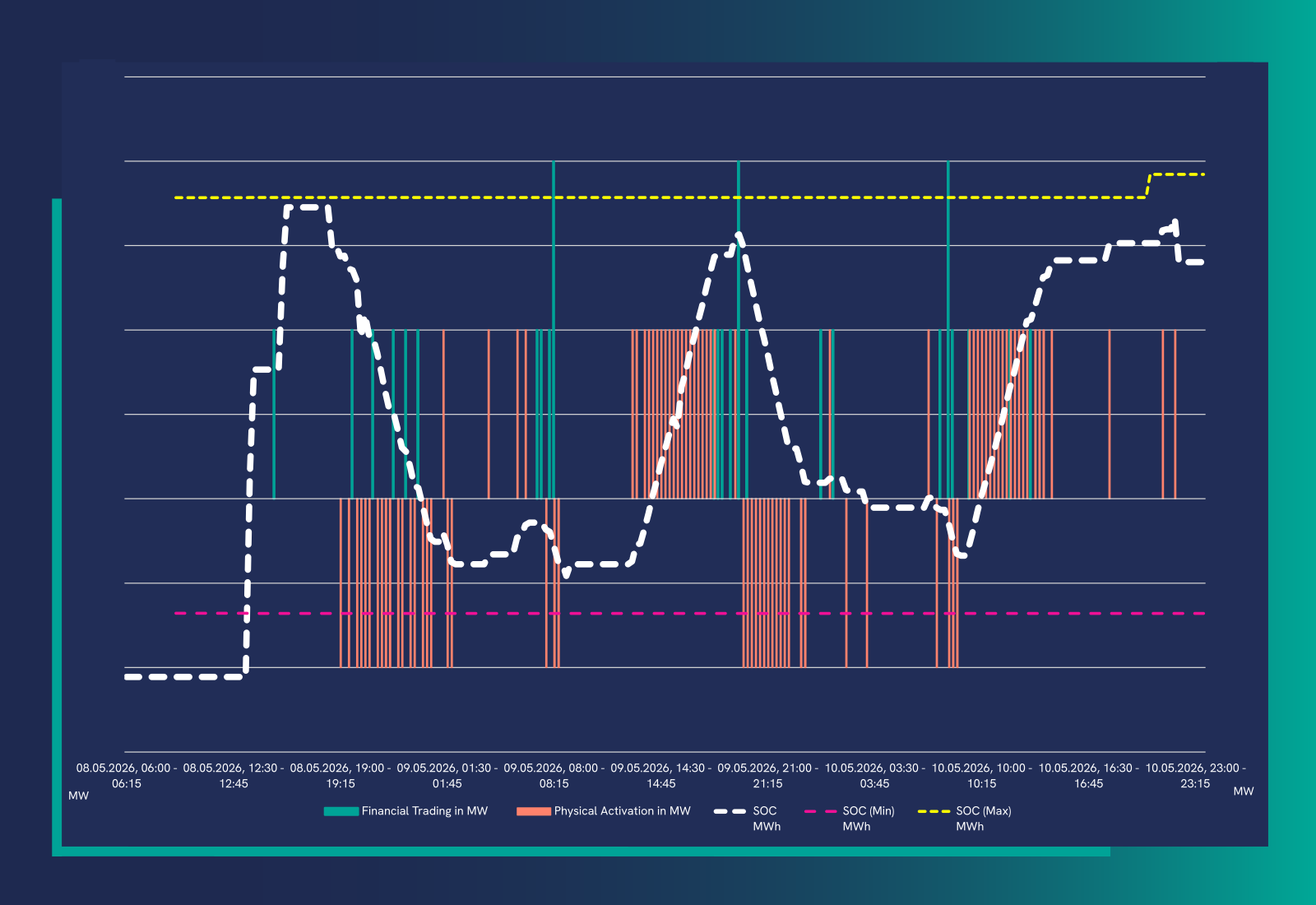
Fig. 1 ESFORIN Intraday Optimization of a Vehicle-2-Grid Fleet
From Vehicle to Virtual Battery
This development is fundamentally changing the role of electric vehicles. They are no longer merely a means of transportation but are becoming integral components of the energy system. During predictable time windows, such as at night or on weekends, fleets can provide targeted flexibility. When aggregated and intelligently controlled, they create virtual storage solutions that help stabilize the power grid while simultaneously opening up new revenue streams for operators. This integration of mobility and the energy market makes Vehicle-to-Grid a true game-changer in the energy transition.
ESFORIN: A Pioneer in Vehicle-to-Grid Optimization
For over ten years, ESFORIN has been optimizing flexibility in short-term electricity markets. This experience forms the foundation for successfully integrating even highly complex and decentralized asset classes, such as Vehicle-to-Grid, into the market. With optimization algorithms developed entirely in-house, a deep understanding of the market, and extensive expertise in managing dynamic flexibility, ESFORIN is positioning itself as one of the pioneers in bringing Vehicle-to-Grid to market.
The Next Phase of the Energy Transition
Vehicle-to-Grid is no longer a future scenario, but a growing part of today’s energy sector. With the increasing adoption of electric vehicles and a clearer regulatory framework, this source of flexibility will continue to gain importance. The key to success lies not in the technology itself, but in its intelligent integration into the energy markets. This is precisely where ESFORIN comes in, driving the next level of flexibility trading.